5 Signs Your Backflow Preventer Needs Repair
1. Discolored or Bad-Tasting Water
One of the most alarming signs of a backflow problem is a sudden change in your water quality. If your tap water appears brown, yellow, or cloudy, or if it has an unusual taste or odor, this could indicate that contaminated water is flowing backward into your supply.
Discolored water doesn't always mean backflow — it can also be caused by aging pipes, municipal water main work, or seasonal changes in the water source. However, if the discoloration appears suddenly and is accompanied by an odd taste, chemical smell, or sulfur odor, it's important to stop using the water immediately and contact a professional.
A failing backflow preventer could be allowing irrigation water (containing fertilizers and pesticides), boiler water (containing treatment chemicals), or even waste water into your drinking water supply. This is especially concerning in Rochester, where many residential properties have irrigation system backflow preventers. If you're unfamiliar with how these devices protect you, our guide on what backflow testing is explains the fundamentals.
What to do: Stop using the water for drinking and cooking. Run cold water for several minutes to see if it clears. If the problem persists or returns, contact a certified backflow professional immediately and report the issue to RPU.
2. Decreased Water Pressure
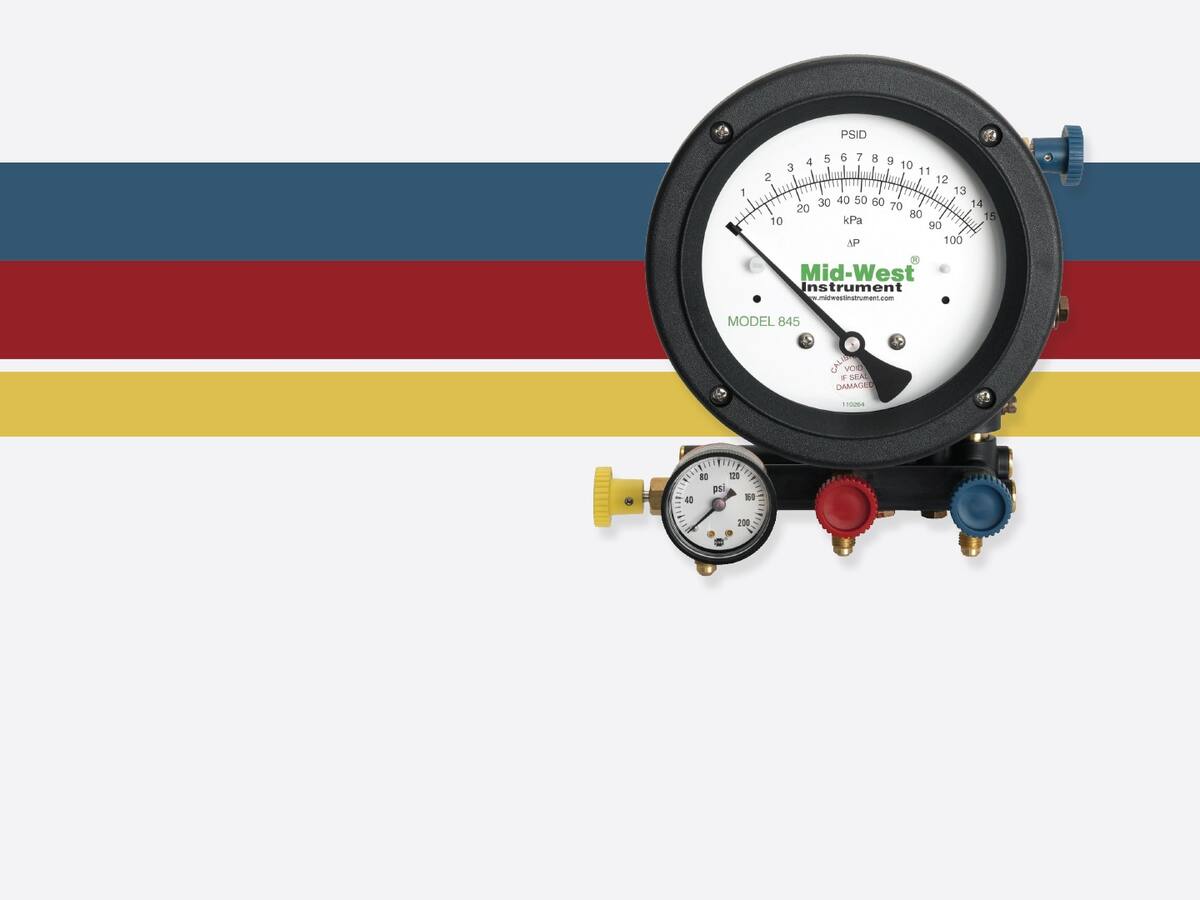
A noticeable drop in water pressure throughout your property can indicate a problem with your backflow preventer. These devices naturally create some pressure loss as water passes through them — typically 5-12 PSI for RPZ devices and 3-5 PSI for double check valves. But when the internal components begin to wear out, the pressure drop can become significant and affect your daily water use.
Common causes of pressure loss related to backflow preventers include:
- Debris buildup in the check valves, restricting water flow. Rochester's water, while treated, can carry mineral deposits that accumulate over time.
- A stuck or partially closed valve within the device, which can happen after freeze/thaw cycles common in Minnesota winters
- Worn springs or seals that aren't allowing the valves to open fully, creating excessive resistance to water flow
- Mineral deposits and scale from hard water accumulating inside the device — southeastern Minnesota has moderately hard water
- Partially closed shut-off valves — sometimes the gate valves on either side of the device aren't fully open after maintenance
If you notice low water pressure, check your backflow preventer before calling a plumber for a full system inspection. You may need nothing more than a maintenance service to restore normal flow. Often, a simple cleaning of the check valve components resolves pressure issues completely.
What to do: First verify that the gate valves on both sides of the backflow preventer are fully open. If pressure is still low, schedule a professional inspection and test.
3. Visible Leaks or Dripping
Water dripping, spraying, or pooling around your backflow preventer is a clear sign that something is wrong. While RPZ (Reduced Pressure Zone) devices are designed to discharge small amounts of water from their relief valve during normal operation — this is actually a safety feature — continuous or heavy discharge indicates a problem that needs attention.
Leaks can occur from several sources:
- Worn seals and O-rings — The rubber components inside your device degrade over time due to water exposure, mineral contact, and temperature fluctuations. In Minnesota's climate, the extreme temperature swings from summer to winter accelerate this deterioration.
- Cracked or corroded body — Especially common in older bronze or brass devices exposed to the elements. After 10-15 years of Rochester weather, the device body itself can develop cracks or pinhole leaks.
- Failed relief valve — If the relief valve is constantly open and discharging water, it typically means one or both check valves have failed. The relief valve is doing its job by dumping water rather than allowing backflow, but the underlying problem needs repair.
- Freeze damage — Minnesota winters can crack backflow devices that aren't properly winterized. Even one hard freeze event can rupture the device body or damage internal components. Proper winterization is essential.
- Loose test cock plugs — The small test ports used during annual testing can sometimes weep if the plugs aren't properly tightened.
Any visible leak should be addressed promptly to prevent water waste, potential contamination, and property damage. Water pooling around a backflow device can also erode soil, damage landscaping, and create ice hazards in winter.
What to do: If you see constant discharge from the relief port, this is urgent — your check valves may have failed. Call a certified professional immediately. For minor seepage, schedule a repair at your earliest convenience.
4. Failed Annual Test
Sometimes the first indication of a problem is a failed annual backflow test. During testing, a certified technician can detect issues that aren't visible or obvious to property owners, such as:
- Check valves not sealing properly — The valves may hold enough to function in normal low-pressure conditions but fail under the controlled test pressure. This is particularly dangerous because the device appears to work fine during everyday use but won't protect you during an actual backflow event.
- Relief valve opening at the wrong pressure — The valve may be opening too early (causing water waste) or too late (reducing protection). The relief valve has specific pressure parameters it must meet, and aging springs or fouled seats can throw these off.
- Slow closing — The check valves may respond sluggishly, creating a window for backflow before they fully seat. This delayed response time can allow contaminated water to enter the supply during sudden pressure changes.
- Excessive pressure drop — While some pressure drop is normal, readings outside manufacturer specifications indicate worn or fouled components.
A failed test means your device needs repair before it can be returned to service. Common repairs include replacing check valve rubber kits (seals, springs, seats, and O-rings), cleaning internal components, and replacing the relief valve assembly. The cost of these repairs is typically $100-$300 on top of the testing fee.
In some cases, the entire device may need replacement if it's too old or damaged to repair economically. Devices older than 15-20 years or those requiring their third or fourth repair should be evaluated for full replacement. Your tester can advise on the most cost-effective path forward.
What to do: Don't panic — failed tests are common and most issues are repairable. Have the repairs completed as soon as possible and schedule a retest. RPU requires passing test results before your device is considered compliant.
5. The Device Is Over 10 Years Old
While a well-maintained backflow preventer can last 15-25 years, devices over 10 years old require closer attention and more frequent inspection. As these devices age, internal components wear out, corrosion accumulates, and the likelihood of failure increases — especially in Minnesota's harsh climate with its freeze-thaw cycles and mineral-rich water.
Signs of age-related deterioration include:
- Visible corrosion on the exterior body of the device — green patina on bronze, white deposits on brass, or rust on steel components
- Difficulty obtaining replacement parts for older or discontinued models. Some manufacturers discontinue parts for older assemblies, making repairs increasingly expensive or impossible.
- Increasing frequency of repairs after each annual test. If you're paying for repairs every year or every other year, the cumulative cost may exceed the price of replacement.
- Higher repair costs approaching or exceeding 50% the price of a new device
- Obsolete technology — Older devices may not meet current code requirements or may lack modern safety features
If your backflow preventer is approaching or exceeding 10 years, consider having a thorough inspection during your next annual test. Your technician can advise whether the device has remaining service life or whether replacement is the more cost-effective option. Understanding proper maintenance practices can extend the life of your device significantly, but every device eventually reaches end-of-life.
What to do: Ask your tester to assess the overall condition of your device during the next annual test. Request an honest recommendation about remaining useful life versus replacement.
Common Backflow Preventer Repairs
Understanding the most common repairs can help you anticipate costs and make informed decisions when your device needs service:
Rubber Kit Replacement (Most Common): This involves replacing the check valve seals, O-rings, and sometimes springs. It's the most frequent repair and typically costs $100-$250 including parts and labor. Rubber components naturally degrade over time and typically need replacement every 5-8 years, depending on water quality and conditions.
Relief Valve Repair/Replacement: For RPZ devices, the relief valve may need a new seat disc, diaphragm, or complete replacement. Cost ranges from $100-$300. A properly functioning relief valve is critical to the device's safety function.
Check Valve Module Replacement: If the entire check valve assembly is damaged or corroded beyond seal replacement, the module may need to be swapped out. This is more expensive ($200-$500 per module) but less costly than full device replacement.
Full Device Replacement: When repair costs exceed 50% of a new device, or when the device is beyond economic repair, full replacement is the best option. Depending on size and type, new devices range from $300 to $1,500+ installed. Check our pricing guide for detailed cost breakdowns.
All repairs must be performed by qualified personnel, and the device must pass a retest before being placed back in service. This is a regulatory requirement in Rochester and throughout Minnesota.
What to Do If You Notice These Signs
If you observe any of these warning signs, here's your action plan:
- Don't panic — Most backflow issues can be resolved quickly with professional help
- Stop using water if you notice discoloration, unusual taste, or chemical odor — this is a potential health concern
- Contact a certified backflow professional — Only certified technicians should diagnose and repair backflow devices
- Document the issue — Note when you first noticed the problem, any changes in water quality or pressure, and take photos of visible leaks or damage
- Schedule a test — If your device hasn't been tested recently, a formal test will identify exactly what's wrong and provide documentation
- Report to RPU — If you suspect actual backflow contamination (not just a device issue), notify Rochester Public Utilities immediately
Professional backflow testing and repair services in Rochester and surrounding areas including Byron, Stewartville, and Kasson can typically diagnose and fix most problems in a single visit, getting your water protection back to full operation quickly. Contact us today for prompt service.
Need Backflow Testing in Rochester?
Our certified technicians provide professional backflow testing, repair, and certification for homes and businesses throughout Rochester, MN.